Softshell Jackets – Core Sportswears
A softshell jacket sits between a light fleece and a hard shell. It blocks wind. It sheds light rain. It stretches with your body. Hikers, hunters, cyclists and everyday commuters all wear softshell jackets.
They work well when the weather changes fast. A good softshell breathes well too. This is why it is a core layer in ski wear, outdoor gear and streetwear.
Men’s and women’s softshell jackets
Men’s and women’s softshell jackets are cut differently. Men’s jackets run boxier at the shoulders and chest. This leaves room to layer underneath. Women’s jackets are tapered at the waist. This gives a closer fit.
Both styles have adjustable cuffs. Both have a full zip front. Both have stretch panels at the shoulders and elbows. This lets the jacket move with you.
Lightweight, midweight and insulated builds
Not every softshell does the same job. Lightweight softshell jackets suit mild spring and fall days. They also suit hard, sweaty activity. Midweight softshell jackets add a bit more warmth. They still stay light.
Insulated softshell jackets add a thermal lining inside the shell. This makes them a strong pick for winter softshell jackets. They still flex and breathe, unlike a stiff puffer coat.
Waterproof and rain-ready protection
Most softshell fabric has a DWR coating. DWR stands for durable water-repellent. Water beads up and rolls off the fabric. It does not soak in. Waterproof softshell jackets go further. They use a tighter woven face.
They use sealed seams. This makes them good softshell jackets for rain and light snow. They still breathe better than a hard shell. That is why people pick softshell over full rain gear for daily use.
Hooded, zippered and everyday styles
Softshell jackets with a hood give extra cover from wind and drizzle. You skip a separate rain layer. Many hoods adjust or remove. Zipper softshell jackets have a full front zip. You can vent heat fast on the move.
Zip pockets hold your phone, keys and gloves. Casual softshell jackets have a relaxed cut. Wear one over a t-shirt in town. Wear the same style over a base layer on a trail.
Built for hiking, hunting and performance use
Hiking jackets in softshell fabric move quietly. They keep your body temperature steady on climbs and descents. Hunting and shooting jackets in softshell use a quiet outer fabric. They add reinforced shoulders.
They often use muted, field-ready colors. Performance coat softshell jackets use articulated sleeves. They use stretch gussets too. This lets the jacket keep up on a bike, a ski slope or a training field.
Color and season options
Softshell jackets come in many colors. Black softshell jackets work for everyday and performance use. Navy blue and blue softshell jackets suit team and corporate orders.
Green softshell jackets suit outdoor and hunting use. Gray softshell jackets pair well with other gear. Spring softshell jackets and fall softshell jackets often skip heavy insulation. Winter softshell jackets add a warmer lining for cold weather.
Custom softshell jackets
Core Sportswears makes custom softshell jackets. Men’s and women’s fits are both available. You control the color. You control the print.
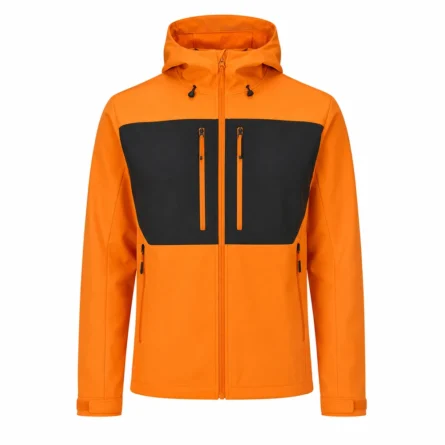
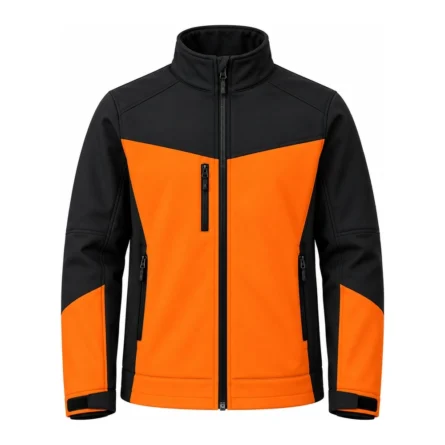
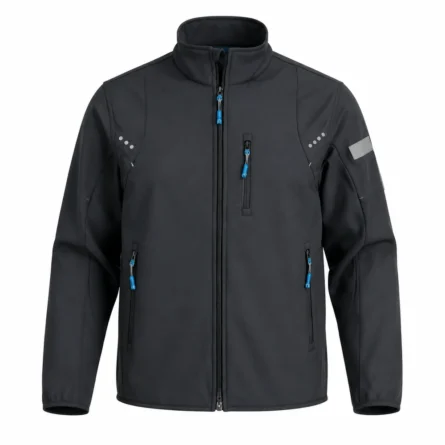
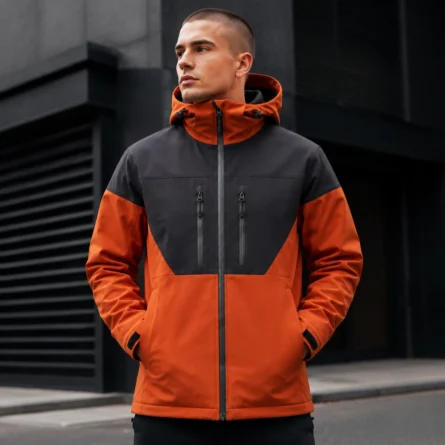
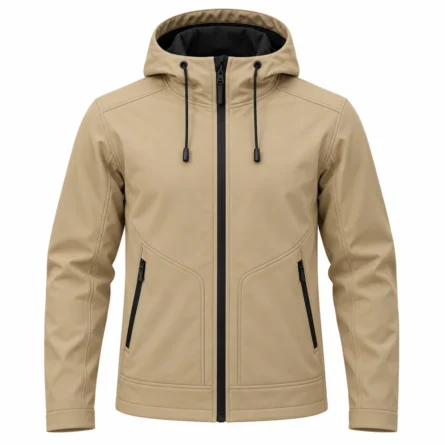
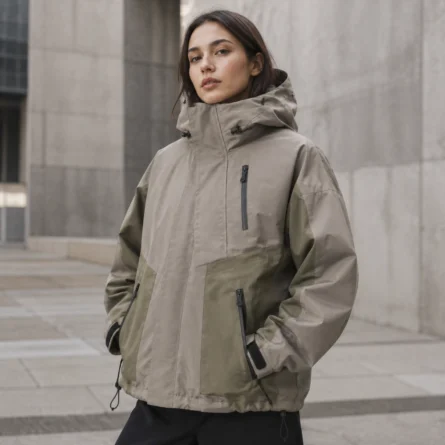
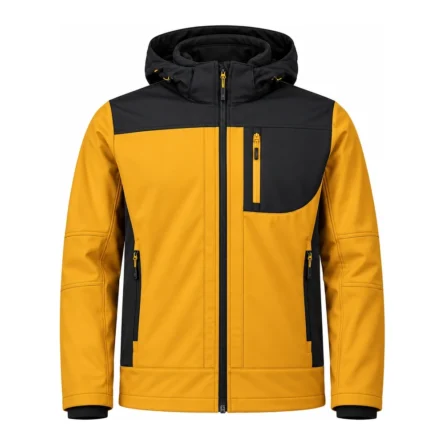
You control the panel design and branding. This suits teams, resellers and outdoor brands. Here are some current custom softshell and snowboard jacket styles.
How to choose the right softshell jacket
- Match the weight to your climate. Go light for mild days. Go mid for cool days. Go insulated for winter.
- Check the DWR or waterproof rating if rain or wet snow is likely.
- Pick a hooded style if you need cover without a rain shell.
- Pick stretch panels at the shoulders and elbows for hiking, hunting or sport.
Pick black, navy or gray for a piece you can wear every day.
Conclusion
Softshell jackets cover many needs. Some are light spring layers. Some are warm winter shells. Some add a hood for rain.
Some stay quiet for hunting. Want one jacket or a full custom softshell line for your team? The right fabric weight, color and fit make it a jacket you wear all season, not one that sits in the closet.
FAQs
1. What makes a softshell jacket different from a hard shell?
A softshell uses a flexible fabric. It breathes well. It resists wind and light rain. A hard shell uses a full waterproof membrane. It blocks all rain but breathes less.
2. Are softshell jackets warm enough for winter?
An insulated softshell jacket works well on cold, dry winter days. For deep cold or heavy snow, add a fleece under it or a heavier parka over it.
3. Can softshell jackets be worn in the rain?
Yes, for light rain and drizzle. The DWR coating handles that. For heavy, steady rain, pick a waterproof softshell or a full rain shell.
4. What is the difference between men’s and women’s softshell jackets?
Men’s jackets run straighter through the torso for easy layering. Women’s jackets taper at the waist and shoulders for a closer fit.
5. Can I get custom softshell jackets made for my team or brand?
Yes. Core Sportswears builds custom softshell jackets. Pick your color, panel layout, fabric weight and branding for your team, store or brand.