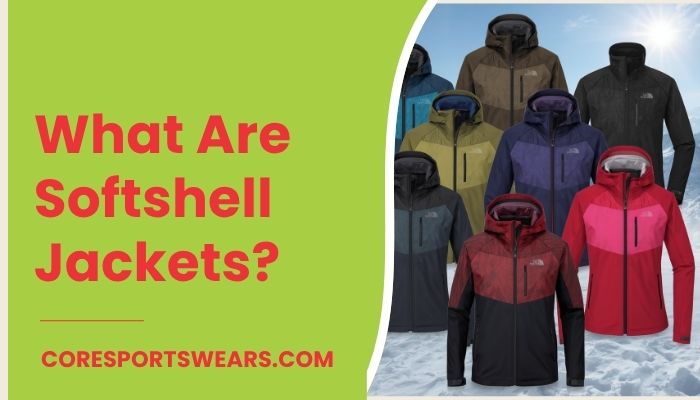

Have you ever shopped for outdoor gear? You’ve probably seen the term “softshell jacket.” Maybe you wondered how it’s different from a regular jacket, a fleece, or a hardshell.
Softshell jackets are very popular today. They hit a sweet spot. They offer comfort, flexibility, and just enough weather protection. And they don’t feel bulky.
What Is a Softshell Jacket?
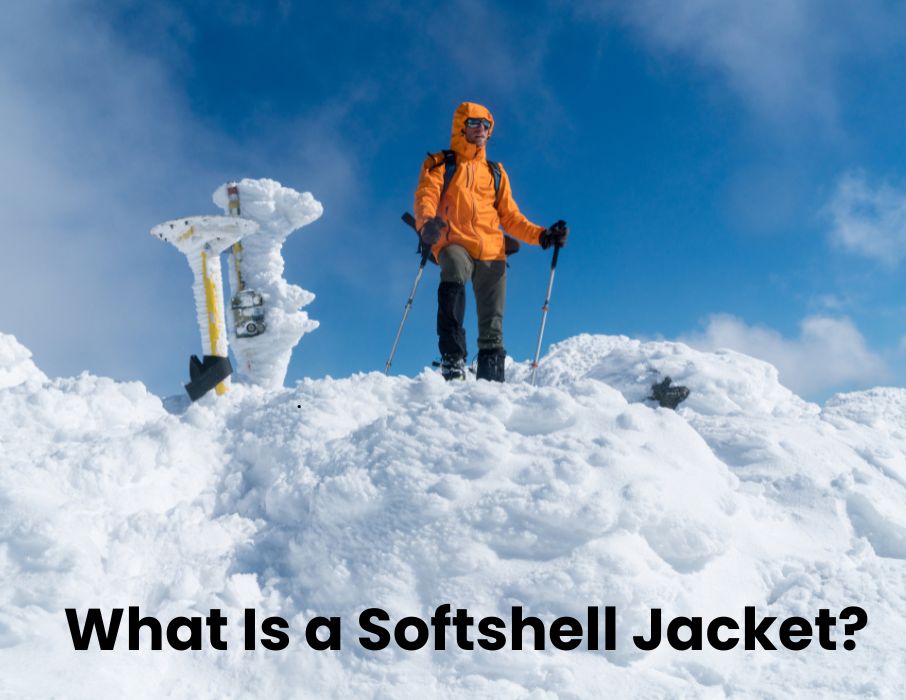
A softshell jacket is a type of outerwear. It’s made from stretchy, breathable fabric. It resists water and wind. It also adds some insulation.
The word “soft” points to the fabric‘s feel. It’s flexible and comfortable. That’s different from a “hardshell” jacket. Hardshells use stiff, fully waterproof material.
Most softshell jackets have three parts:
- Woven or knit fabric. Often polyester or nylon. This adds strength and stretch.
- A water-resistant coating. Known as DWR (Durable Water Repellent). This helps water bead up and roll off.
- A soft inner lining. Often fleece. This adds warmth against your skin.
Together, these parts make the jacket comfortable and flexible. They also give it decent protection from wind, light rain, and cold.
How Do Softshell Jackets Work?
The main idea is balance.
Hardshell jackets block 100% of water. But they don’t breathe well. Fleece jackets feel warm and cozy. But they block almost no wind or rain. Softshell jackets sit in the middle.
Most softshell fabric lets sweat vapor escape from the inside. At the same time, it blocks wind and light rain from getting in. This is why people call softshells “breathable.” They help your body stay at a good temperature while you move.
What Are Softshell Jackets Used For?
Softshell jackets work well for many activities. Here are common uses:
- Hiking and trekking. Breathability matters more than full waterproofing here.
- Running and cycling. You get wind protection without overheating.
- Daily commuting. The jacket looks clean and handles light rain or wind.
- Work and outdoor jobs. Many workwear brands use softshell fabric. It’s tough and flexible.
- Mild winter layering. Wear it alone in cool weather. Or wear it under a heavier coat in cold weather.
This range of uses is why softshell jackets appeal to so many people. Hikers, runners, commuters, and casual wearers all buy them.
- Read More Related Article: Ski & Snowboarding Pants
Softshell vs. Hardshell Jackets
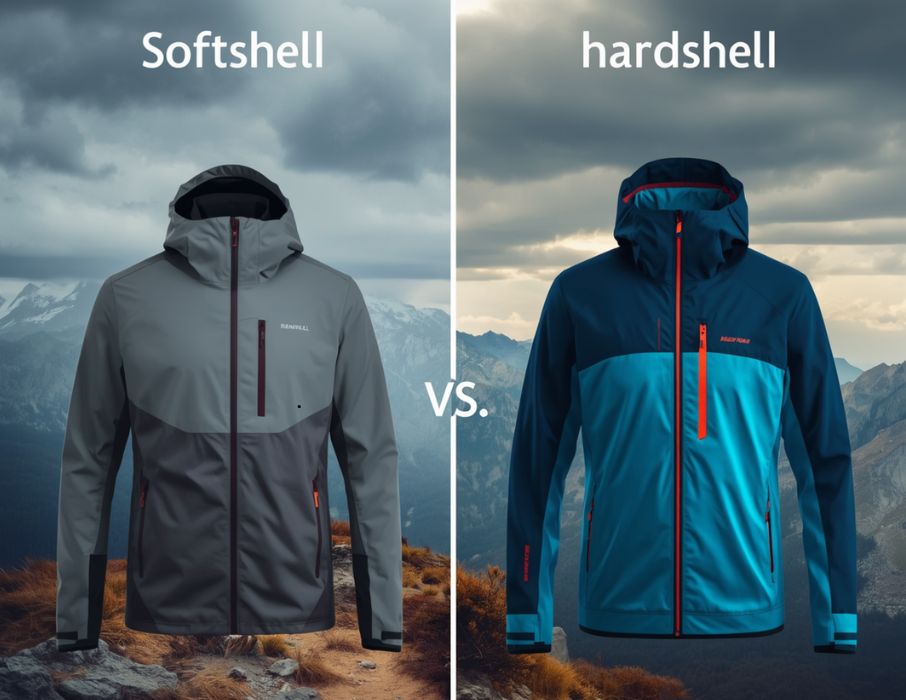
People often confuse these two. Here’s a simple comparison:
| Feature | Softshell Jacket | Hardshell Jacket |
|---|---|---|
| Waterproofing | Water-resistant, not fully waterproof | Fully waterproof |
| Breathability | High | Moderate to low |
| Flexibility | Stretchy and comfortable | Stiff, less flexible |
| Weight | Light to mid-weight | Often light but rigid |
| Best for | Active use, mild weather | Heavy rain, harsh conditions |
Expecting heavy, steady rain? Choose a hardshell. Want comfort and breathability during activity? Choose a softshell.
Softshell vs. Fleece Jackets
Fleece jackets feel warm and soft. But they don’t block wind or water well. They exist mainly for insulation.
Softshell jackets often include a fleece-like inner layer too. But they add an outer layer. That layer blocks wind and light rain. In short: fleece gives you warmth. Softshell gives you warmth plus weather protection.
Key Benefits of Softshell Jackets
- Comfort. The stretchy fabric moves with your body.
- Breathability. It reduces sweat buildup during exercise.
- Wind resistance. It blocks cold wind far better than fleece alone.
- Water resistance. It handles light rain, drizzle, and snow.
- Versatility. Wear it alone in mild weather. Layer it in cold weather.
- Quiet fabric. It won’t make that stiff, rustling sound hardshells make.
Are There Any Downsides?
Softshell jackets aren’t perfect for every case. Keep these points in mind:
- They aren’t fully waterproof. Heavy or long rain can soak through.
- They pack down less than ultralight hardshells.
- In very cold, windy weather, you may need an extra layer underneath.
Knowing these trade-offs helps you set the right expectations before you buy.
How to Choose the Right Softshell Jacket
Think about these four things when you shop:
- Your climate. Live somewhere with heavy rain? Pair your softshell with waterproof gear, or pick a hardshell instead.
- Your activity level. High-effort activities benefit most from softshell breathability.
- The fit. Softshells often have an athletic, slightly fitted cut. This helps with layering.
- The features. Look for an adjustable hood, zippered pockets, and underarm vents.
- Read Also : What Is Elastane Fabric?
Conclusion
Softshell jackets sit between heavy waterproof shells and light fleeces. They combine breathability, flexibility, wind resistance, and light water protection in one jacket. This makes them a great choice for hiking, running, commuting, and daily wear in mild to cool weather.
They won’t replace a hardshell in severe storms. But for most everyday and active use, a good softshell jacket gives you the best mix of comfort and performance.
Choosing between a softshell, hardshell, or fleece? Start with your climate and activity level. That one choice will point you to the right jacket.
FAQs
Are softshell jackets waterproof?
No. Most softshell jackets resist water, but they aren’t fully waterproof. They handle light rain, drizzle, and snow well. They aren’t built for long, heavy rain. For that, use a hardshell or rain jacket.
Can you wear a softshell jacket in winter?
Yes. Softshell jackets work well in mild to moderately cold weather. Add a base layer underneath for extra warmth. In very cold weather, wear your softshell as a mid-layer under a heavier coat.
What’s the difference between a softshell and a windbreaker?
Windbreakers are thin and light. They use a single layer of fabric, and they mostly block wind. Softshell jackets are thicker. They add insulation, and they block both wind and light water.
Are softshell jackets good for hiking?
Yes. Hikers like softshell jackets because they breathe well and move with you. They also block wind and light rain on the trail.
Do softshell jackets need special washing?
Machine wash your softshell jacket on a gentle cycle. Use mild detergent. Air-dry it afterward. Skip fabric softener — it can weaken the water-repellent coating over time.