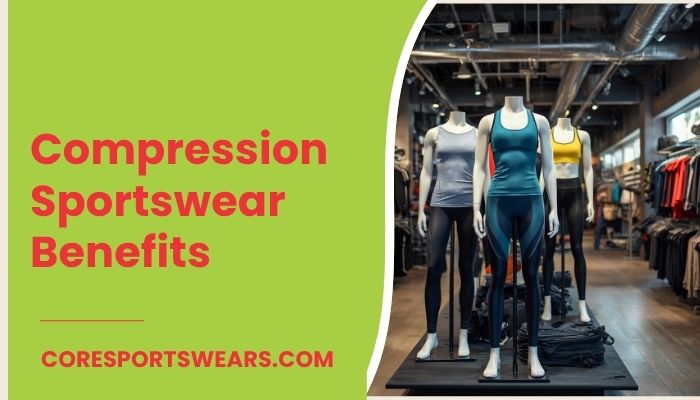

Have you seen athletes wearing tight, second-skin gear during a workout? That’s compression sportswear. It’s not just a fashion trend. This gear squeezes your muscles with gentle, even pressure. That pressure changes your blood flow. It also changes how your muscles work. And it can speed up recovery after exercise.
At Core Sportswears, we build compression gear for real training. Not just looks. In this guide, we’ll cover what compression sportswear does. We’ll look at the research. And we’ll help you decide if it fits your training routine.
What Is Compression Sportswear?
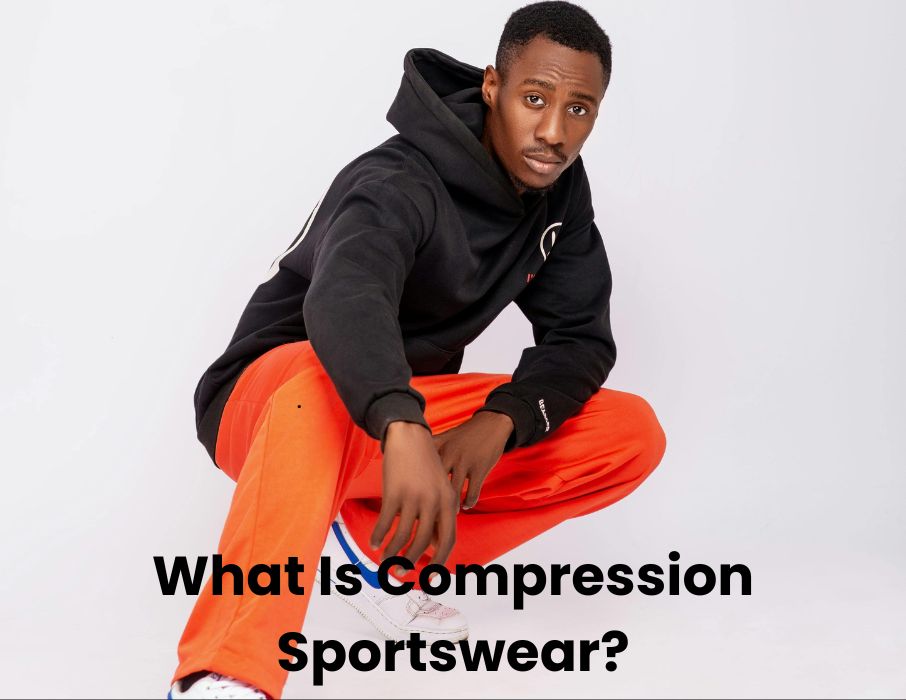
Compression sportswear is made from stretchy fabric. Think spandex, elastane, or lycra blends. It fits snug against your skin. Unlike normal activewear, it uses “graduated pressure.” This means the squeeze is strongest at your ankles or wrists. Then it eases up as it moves toward your body.
This isn’t a random design choice. Doctors use the same idea in medical compression garments. These help with poor circulation, swelling, and vein problems. Sports brands took this idea and built it for athletes. Today you’ll find compression tights, shorts, sleeves, and socks in running, basketball, football, cycling, and gym training.
The Core Benefits of Compression Sportswear
1. Better Blood Circulation
This is the biggest benefit. The pressure helps blood move back to your heart faster. Doctors call this “venous return.” Studies show compression tights boost blood flow the most. That’s because they cover more of your body.
Better blood flow means more oxygen reaches your muscles. This can boost your endurance. It can also delay fatigue during long workouts or races.
2. Faster Muscle Recovery
Sore muscles slow down your next workout. Compression gear may help here. It can reduce soreness. It can reduce swelling. It can also reduce that “tired” feeling after training.
Better blood flow may clear waste from your muscles faster. This could lower delayed onset muscle soreness, or DOMS. Not every claim is proven yet. But many athletes say they feel less sore in compression gear.
3. Less Muscle Shake, Less Fatigue
Every time you run or jump, your muscles vibrate a little. This is called muscle oscillation. Over time, this shaking wastes energy.
Compression gear holds your muscles steady. Less shaking means your body saves energy. That can help you keep good form longer. It may also delay fatigue.
4. Better Body Awareness
Body awareness is your sense of where your limbs are in space. Doctors call this proprioception. Compression gear presses on your skin and muscles. This may sharpen that sense.
Better body awareness can mean better balance. It can also mean better posture. This matters most in sports with quick turns, like basketball or football.
5. Less Swelling and Muscle Damage
Hard workouts cause small muscle damage. They also cause mild swelling. This is normal. Compression gear can limit the space for fluid to build up. Less room means less swelling.
One study found this effect is real. It’s not just in your head. It links directly to better blood flow.
6. Cooling and Sweat Control
Good compression gear does more than squeeze. It also wicks sweat away from your skin. This keeps you cooler and drier. Good temperature control lowers your risk of overheating. That matters a lot in long workouts or hot weather.
7. Injury Support
Compression gear steadies your muscles. It also boosts joint awareness. This may lower your risk of some strains. Athletes coming back from injury often like the extra support. It gives a sense of stability during movement.
8. Better Running Economy
Running economy means how well your body uses oxygen at a set pace. Some studies link compression socks and tights to better running economy. Small gains here can add up. This matters most over a long run or race.
9. A Mental Boost
This part isn’t just physical. Many athletes say they feel more focused in compression gear. They feel more “locked in.” That confidence matters. Sports science shows that mindset can affect real performance.
What Does the Science Really Say?
Let’s be honest. Some studies on compression gear are strong. Others are weak or mixed. Not every claim has solid proof yet. But no study shows compression gear hurts performance. And the evidence on blood flow and recovery is fairly strong.
So here’s the bottom line: compression sportswear won’t turn you into a pro overnight. But it gives real, science-backed support. It helps with recovery. It helps with comfort. It helps you train more often without breaking down.
Who Should Wear Compression Sportswear?
- Runners who want better blood flow and running economy
- Gym-goers who want less soreness after lifting
- Team sport athletes like basketball or football players who need joint stability
- Anyone healing from a small muscle strain
- Athletes who train often and need faster recovery between sessions
How to Choose the Right Gear
Not all compression sportswear works the same way. Look for these things:
- True graduated compression, not just a tight fit
- Breathable, sweat-wicking fabric
- The right size. Too loose won’t give you the pressure benefit. Too tight can cut off blood flow.
- Strong stitching that holds up after many washes and stretches
The right pair follows every rule above. Graduated compression, breathable fabric, and gear built to last through tough training.
Our Popular Articles
- Read Also : Ski & Snowboarding Pants: Performance, Protection & Precision for Extreme Winter Sports
- Read More : Drop Shoulder Rhinestone T-Shirts: The Perfect Blend of Streetwear Luxury & Custom Fashion
- Read More : What Is Elastane Fabric? The Stretchy Secret Explained
Final Verdict
Compression sportswear benefits are real. Research backs many of them up. You get better blood flow. You get faster recovery. You get less soreness and better body awareness. That’s a real edge for any athlete.
Ready to feel the difference? Check out the compression collection at Core Sportswears and gear up for your next workout.
FAQs
Does compression sportswear really improve blood flow?
Yes. Studies show compression garments boost venous return and blood flow, especially compression tights that cover more of the leg.
Can compression gear reduce muscle soreness after a workout?
Many studies suggest it can. Compression may lower swelling and help clear muscle waste faster, which can reduce soreness. Results vary from person to person.
Should I wear compression clothing during or after exercise?
Both work. Wearing it during exercise may support blood flow and reduce muscle shake. Wearing it after may help with recovery and swelling.
Is tighter compression gear always better?
No. Gear that’s too tight can cut off healthy blood flow. Pick your correct size for the best results, not the tightest fit you can find.
Who benefits most from compression sportswear?
Runners, gym-goers, team sport athletes, and anyone recovering from a minor muscle strain tend to benefit the most from regular use.